
- VIAC
-
ARBITRATION
- Arbitrate at VIAC
- VIAC eCase
- Combination of Arbitration and Mediation
- International Arbitration
- Resources
- NEWS & EVENTS
- Contact
-




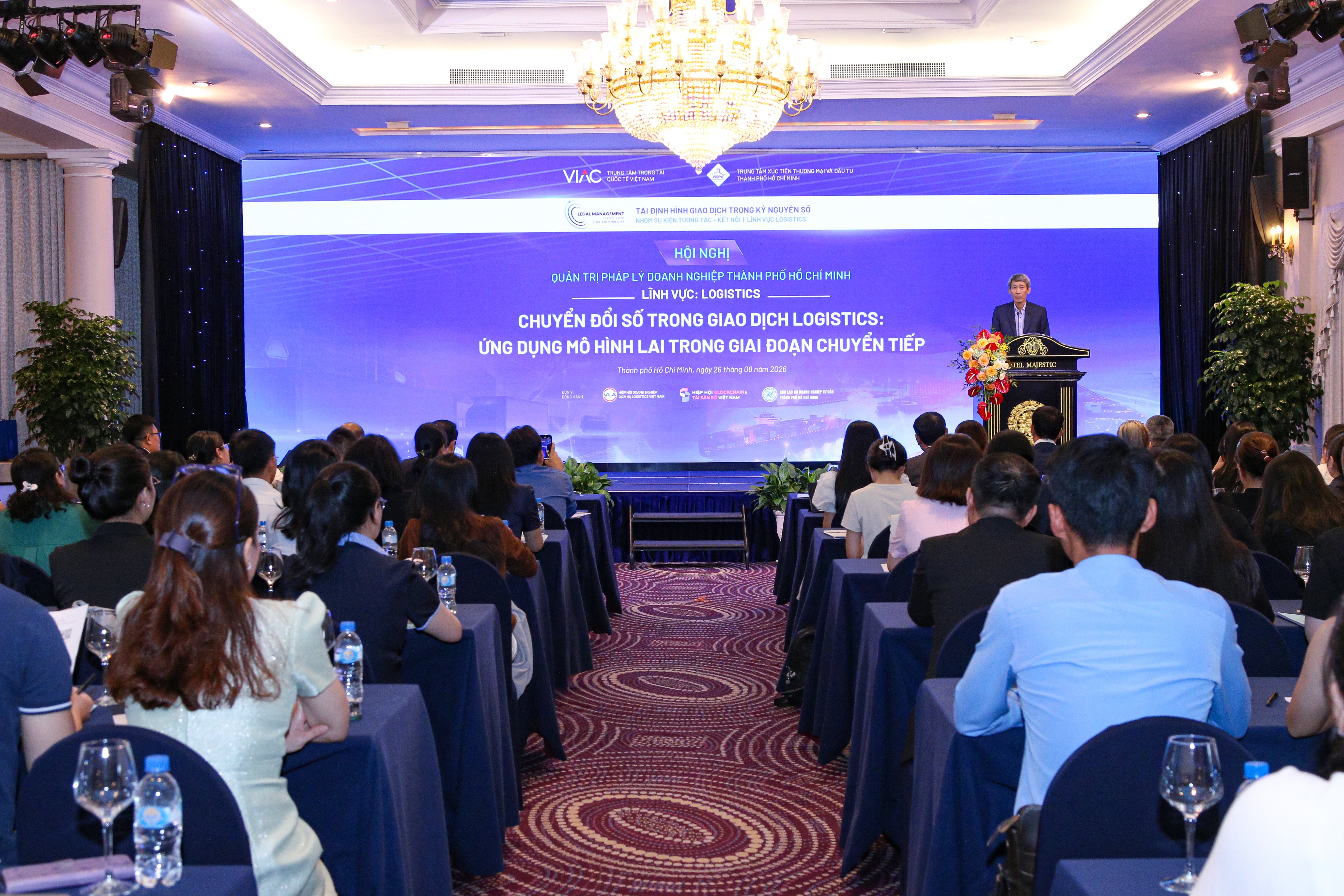
On August 26, 2026, in Ho Chi Minh City, within the framework of the Legal Management Series in Ho Chi Minh Cỉty (LMS 2026), the Investment and Trade Promotion Centre of Ho Chi Minh City (ITPC) in collaboration with the Vietnam International Arbitration Centre (VIAC) successfully organized the Conference “Digital transformation in logistics transactions: Implementing a hybrid model in the transitional phase”. The Conference concluded with notable success, bringing together industry and legal experts alongside more than 200 delegates, including representatives from logistics service enterprises, legal practitioners, and business executives…
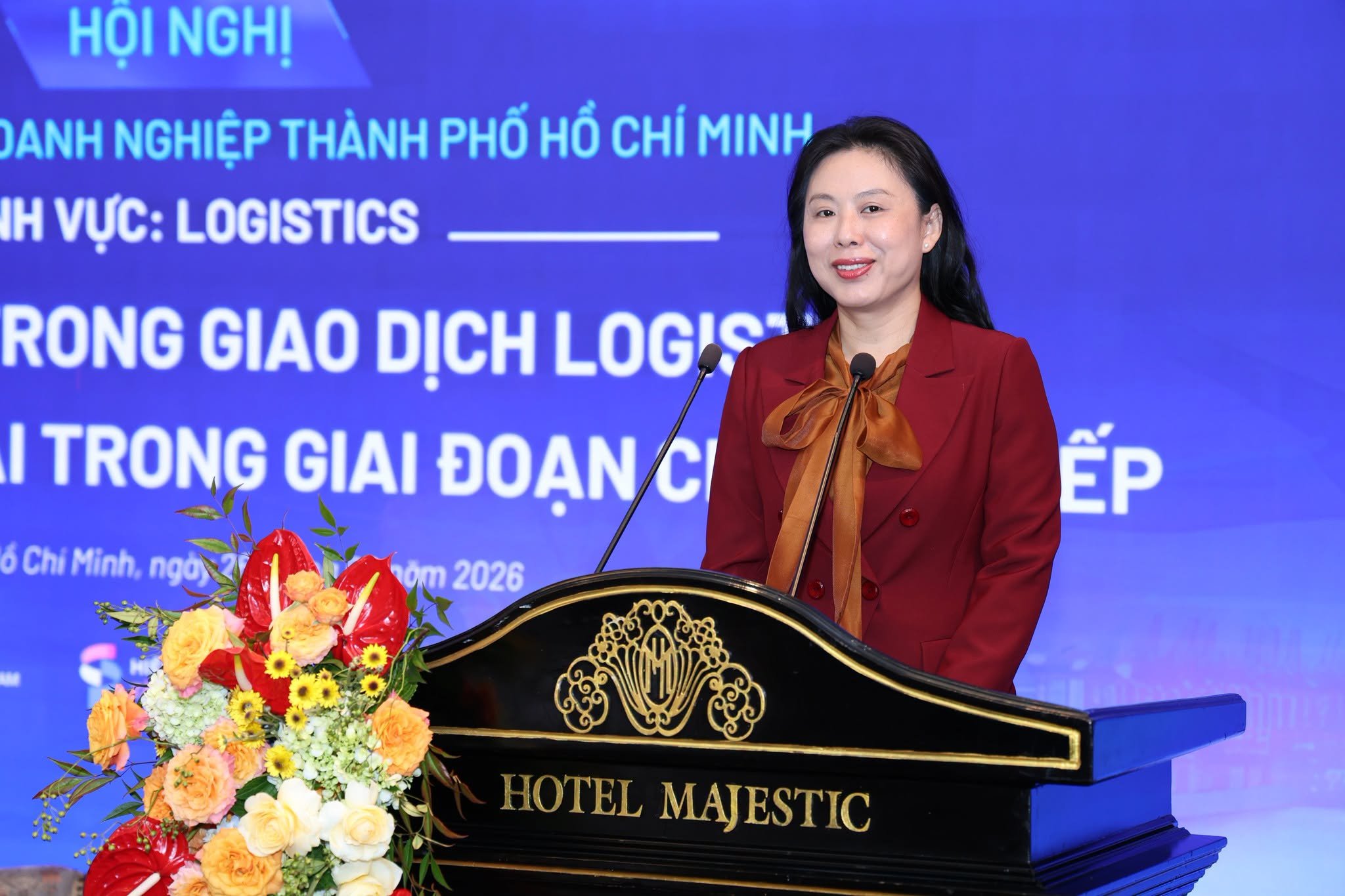
Ms. Ho Thi Quyen – Deputy Director of the Investment and Trade Promotion Centre of Ho Chi Minh City (ITPC)
Delivering the opening remarks at the Conference, Ms. Ho Thi Quyen – Deputy Director of the Investment and Trade Promotion Centre of Ho Chi Minh City (ITPC), observed that Vietnam’s logistics sector is expanding rapidly with over 34,000 enterprises, contributing approximately 4.5% to 5% of national GDP. Nevertheless, domestic logistics costs remain elevated at around 16% of GDP, substantially higher than those of developed economies. This underscores the imperative to reduce operational expenses, enhance productivity, and sharpen competitiveness. For the 2025 – 2035 period, the primary development strategy for the logistics sector centers on accelerating digital transformation to drive down logistics costs to between 12% and 15% of GDP. From the perspective of hybrid models, Ms. Quyen noted that a high proportion of enterprises currently operate under this transactional modality.
While the Law on E-Transactions has established a legal foundation for data messages, not all digital files or email communications possess equivalent legal validity. Critical risks primarily emerge when multiple transactional versions coexist without explicit agreements regarding order of precedence, signatory authority, cutoff times, and archiving mechanisms. Consequently, enterprises must institute robust data governance frameworks and formulate phased digitalization roadmaps to mitigate disputes, enhance verifiability, and safeguard transaction security.
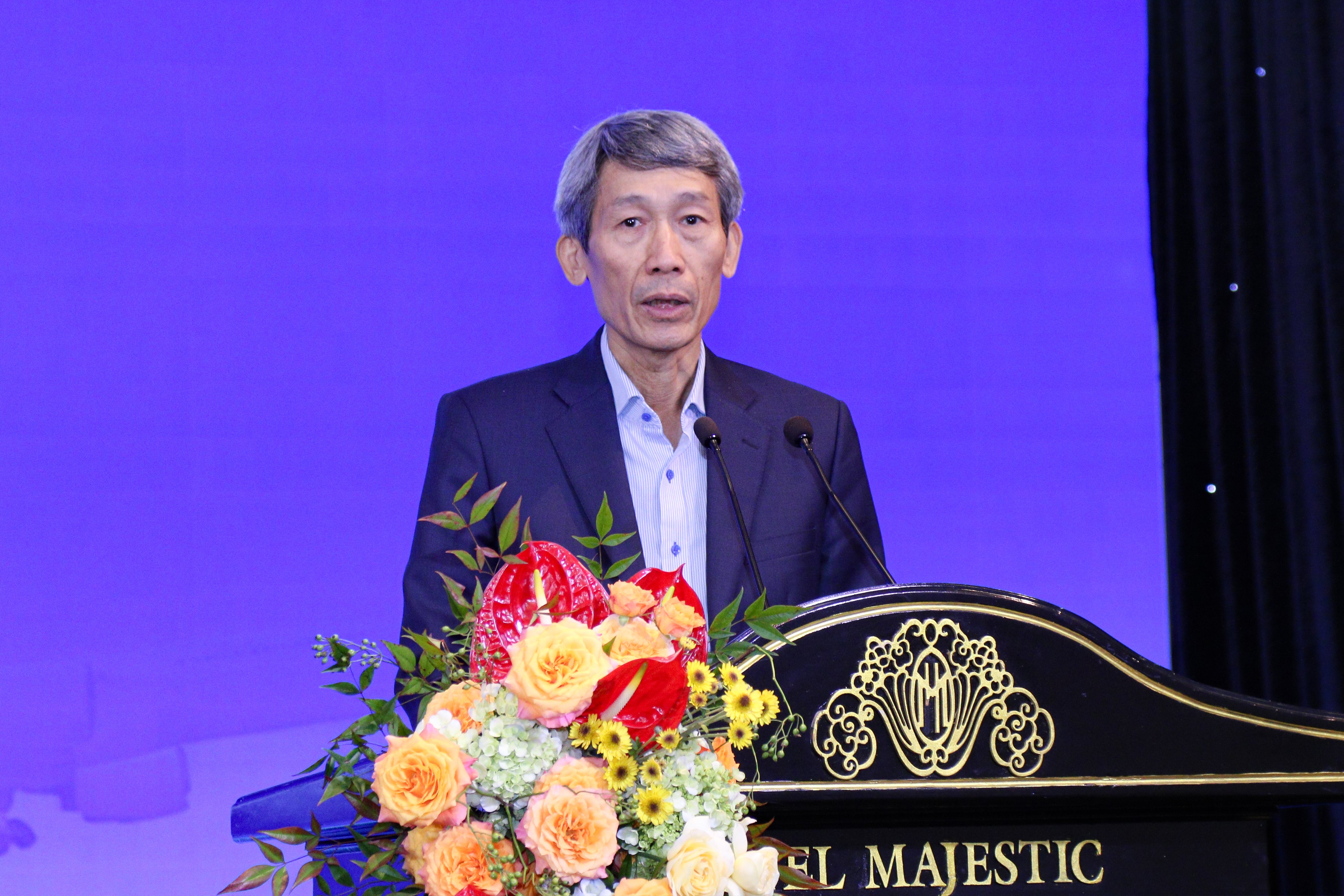
Assoc. Prof. Dr. Pham Duy Nghia – Vice President of the Vietnam International Arbitration Centre (VIAC)
Representing VIAC, Assoc. Prof. Dr. Pham Duy Nghia – Vice President of the Vietnam International Arbitration Centre (VIAC), observed that as digitalization penetrates deeper into commercial and investment operations, dispute resolution processes are becoming increasingly intricate. In the logistics sector, the concurrent utilization of conventional paper contracts alongside digital platforms, electronic correspondence, and e-transport orders may give rise to disputes concerning the legal validity, authenticity, and order of precedence of conflicting documents. Particularly when disputes are adjudicated before adjudicatory bodies, the decisive issue lies not merely in establishing whether the data exists, but critically in the capacity to substantiate the origin, integrity, and generation trail of electronic data. This constitutes a formidable challenge for logistics enterprises given that transactions are executed across progressively fragmented platforms.
Assoc. Prof. Dr. Pham Duy Nghia underscored that digital transformation must advance in tandem with rigorous data governance, clear contractual provisions on the order of precedence among documents, and explicit clauses governing the creation, retention, and admissibility of electronic evidence.
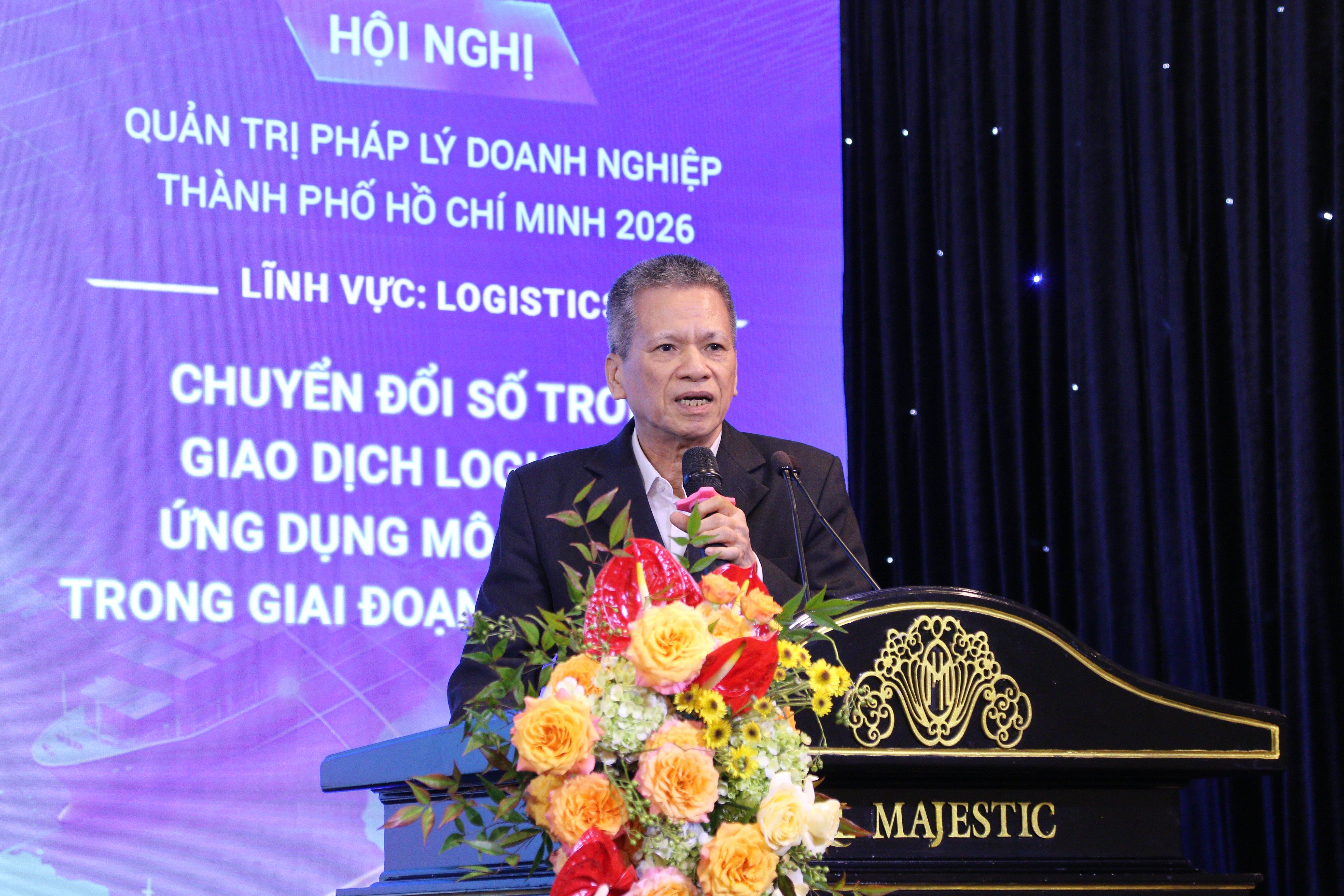
Mr. Ngo Khac Le – VIAC’s Arbitrator, VMC’s Mediator
Opening the Conference, Mr. Ngo Khac Le – VIAC’s Arbitrator, VMC’s Mediator, delivered the keynote presentation “Logistics transactions and emerging dynamics in the context of digital transformation”. Accordingly, he underscored that digital transformation across Vietnam’s logistics sector is unfolding across multiple segments, including transport, warehousing, freight forwarding, port operations, customs clearance, and cross-border trade, albeit at varying paces. Those transactions which are standardized and recurring tend to undergo rapid digitalization, whereas documents of title, payment instruments, and bank guarantees continue to face substantial legal and operational hurdles.
Addressing the hybrid transaction model, Mr. Le maintained that the fundamental imperative is ensuring that electronic documents possess functional equivalence and legal validity comparable to their paper counterparts, particularly with respect to negotiable electronic bills of lading. In this context, the United Nations Convention on Negotiable Cargo Documents (NCD Convention), recently adopted by the UN General Assembly, is regarded as a momentous advancement. The Convention establishes a uniform legal framework for negotiable cargo documents in both paper and electronic formats, thereby facilitating mutual recognition and the broader adoption of electronic records in cross-border trade. For Vietnam, this serves as an indispensable legal foundation for the logistics sector to pursue substantive, synchronized cross-border digitalization.
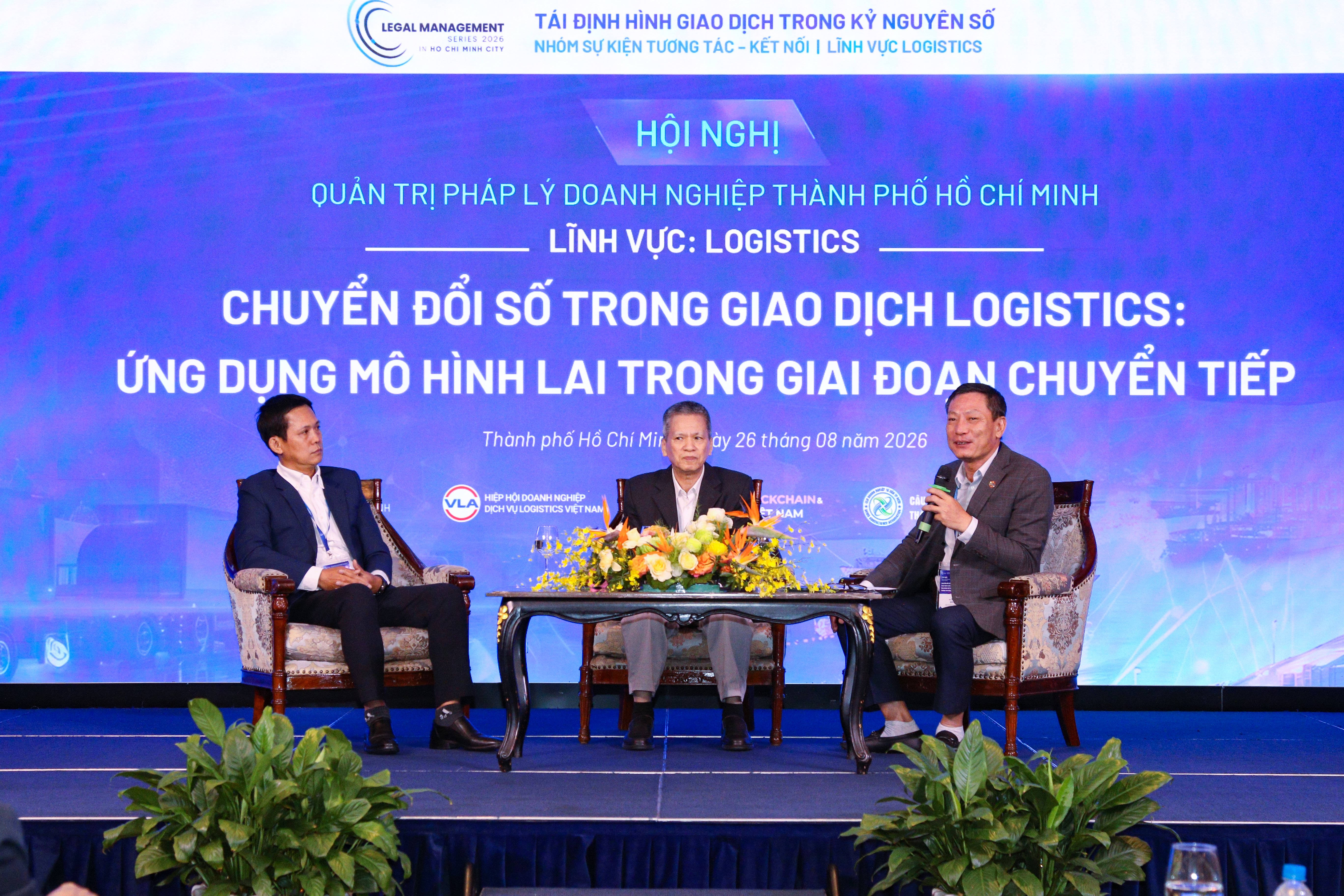
Speakers of Session 01
Following the keynote presentation, the Conference proceeded with two panel sessions. Session 1, moderated by Mr. Nguyen Duc Binh – Secretary General of the Vietnam Logistics Business Association (VLA), with the participation of Mr. Ngo Khac Le and Mr. Nguyen Duy Hung – Standing Vice President of Dong Nai Logistics Association, discussed the current landscape of digital transformation among logistics enterprises and legal issues arising from the adoption of the hybrid model.
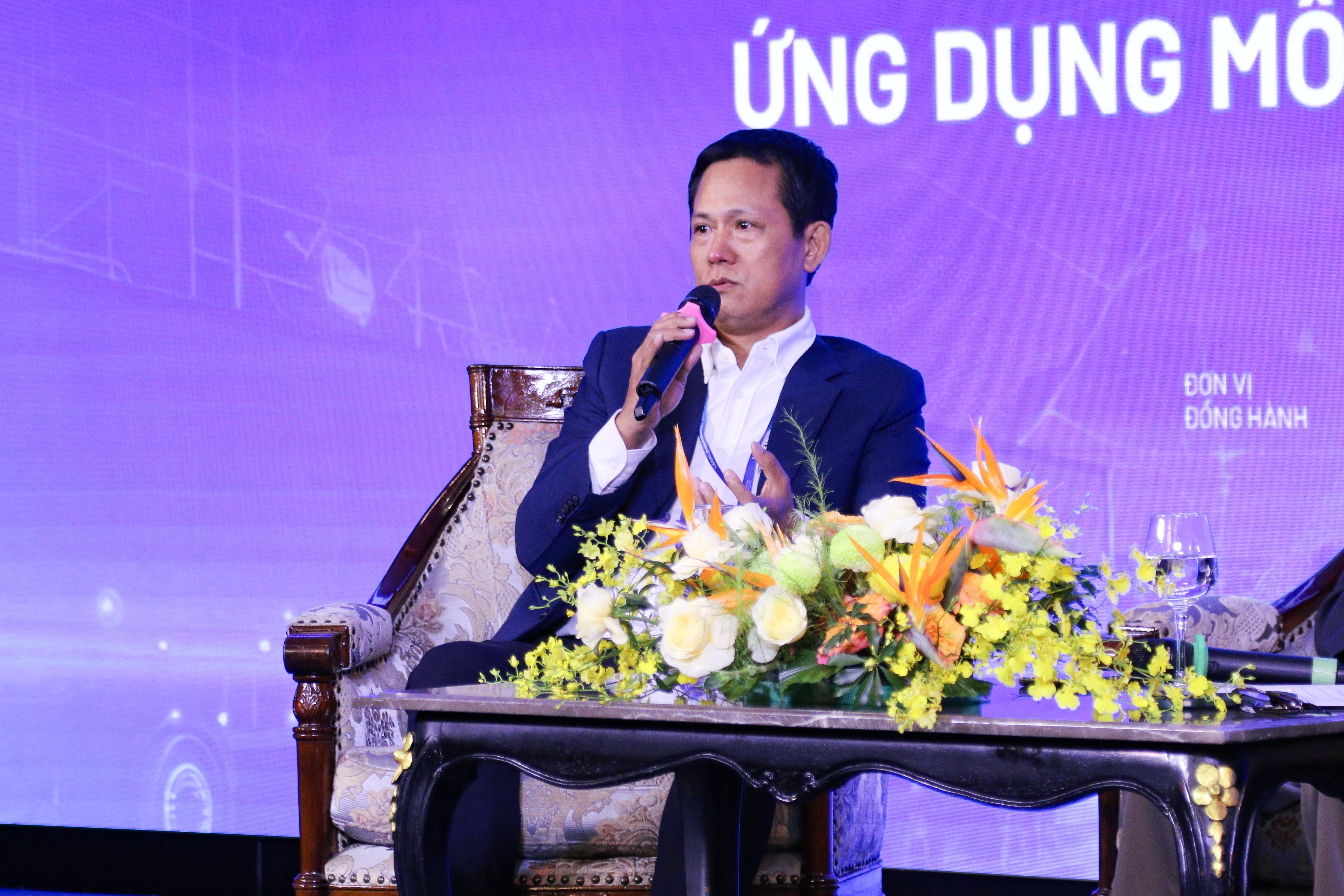
Mr. Nguyen Duy Hung – Standing Vice President of Dong Nai Logistics Association
Opening Session 1, Mr. Nguyen Duy Hung shared insights on the digital transformation landscape viewed from the Dong Nai logistics market. Mr. Hung observed that substantial disparities persist among logistics enterprises regarding technology investment capacity and the implementation of digital solutions. Certain enterprises, particularly those operating across seaports, inland container depots (ICDs), and warehousing facilities, have deployed solutions such as warehouse management systems, e-ports, electronic delivery orders, e-invoicing, cashless settlements, and automated customs supervision.
Nevertheless, on a broader scale, digitalization remains predominantly confined to individual enterprises or isolated operational stages, failing to establish seamless end-to-end connectivity among transport operators, warehouse providers, port authorities, shipping lines, cargo owners, and regulatory agencies. This represents a critical bottleneck as Dong Nai strives to position itself as a regional logistics hub.
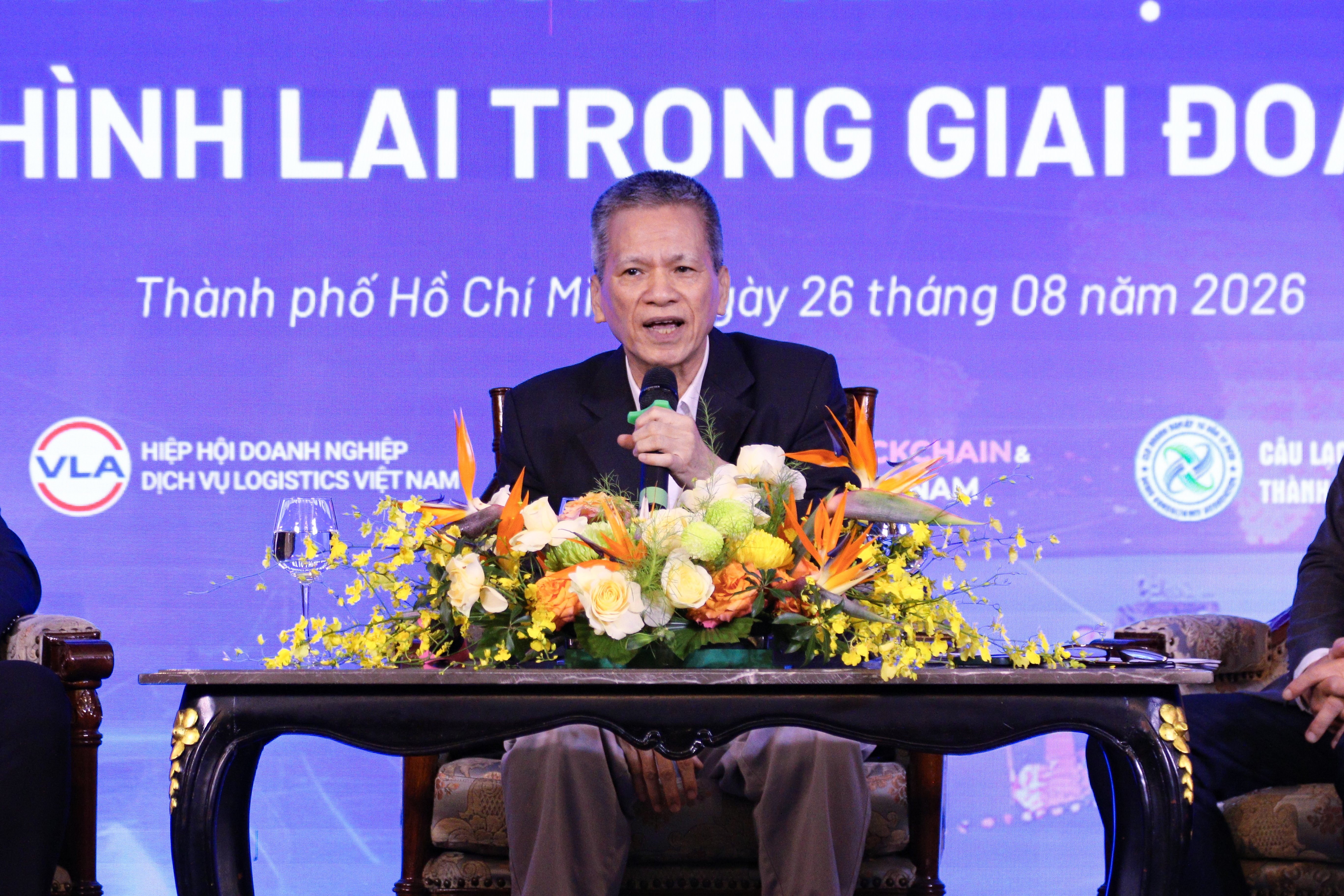
Mr. Ngo Khac Le – VIAC’s Arbitrator, VMC’s Mediator
Continuing the panel discussion, Mr. Ngo Khac Le observed that Vietnamese logistics enterprises generally operate neither in a purely paper-based nor in an entirely paperless state, but rather find themselves in an intermediate hybrid equilibrium: “Digital internally – Paper-based externally”. This situation stems from multifaceted drivers, encompassing objective factors such as statutory frameworks and procedural practices of state regulatory agencies, as well as subjective factors including operational insecurity and disparate technological readiness among trading partners. From this premise, Mr. Le maintained that the critical issue is not simply whether digitalization has occurred, but whether counterparties have established sufficient mutual trust to transact over digital platforms.
In light of these realities, rather than pursuing accelerated shifts, logistics enterprises should adopt a phased roadmap progressing “from the inside out”, initiating within internal operations, extending to trusted long-term partners, and ultimately advancing toward cross-border transactions. Throughout this transition, the expert specifically cautioned enterprises to explicitly bind data transfers to the respective rights and legal obligations of the parties to mitigate exposures and prevent contractual disputes.
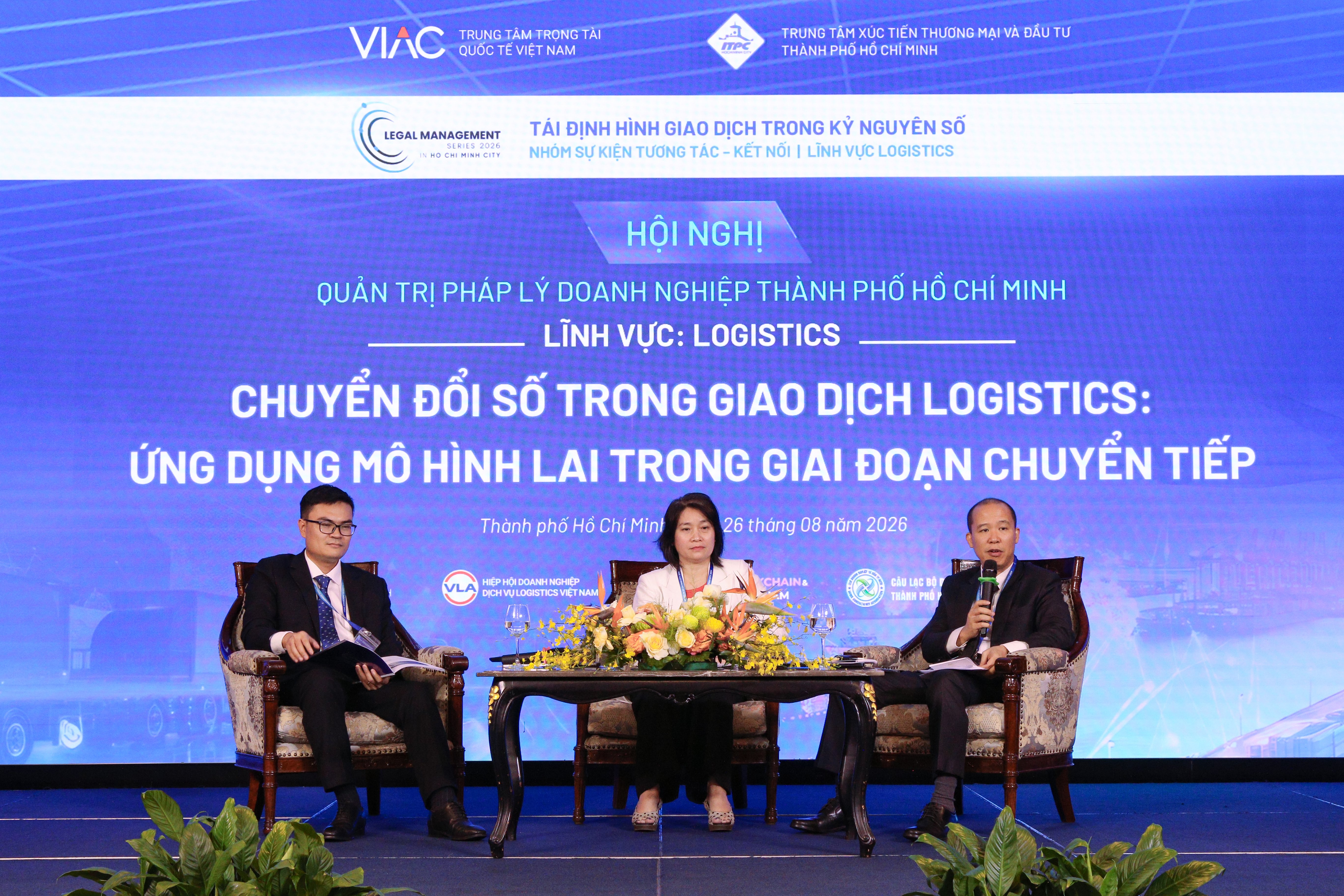
Speakers of Session 02
Moving to Session 2, the Conference focused on deliberating the emerging risks and unique issues arising in logistics transaction disputes in the digital era. The session was moderated by Mr. Dang Viet Anh – Managing Partner of ANHISA Law Firm, VIAC’s Arbitrator, VMC’s Mediator, with the participation of Ms. Nguyen Thi Hong Ngan – Director of Tam Chung Law Firm and Mr. Truong Cong Hong – Partner at ANHISA Law Firm.
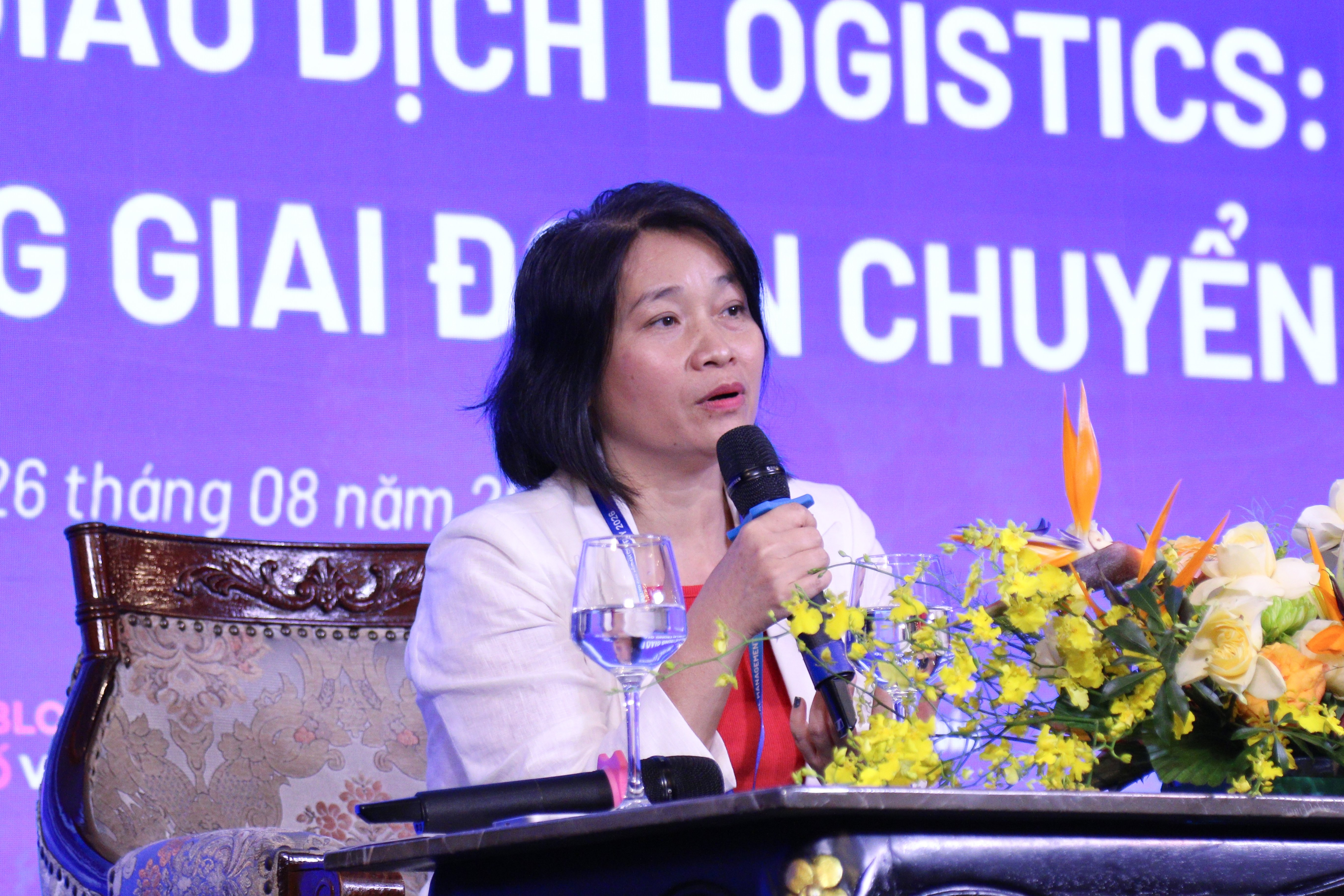
Ms. Nguyen Thi Hong Ngan – Director of Tam Chung Law Firm
Drawing from practical enterprise advisory, Ms. Nguyen Thi Hong Ngan observed that a single commercial transaction may encompass multiple digital data exchanges, such as quotation emails, instant messaging via Zalo or WhatsApp, platform logs, electronic bills of lading (eBL), and electronic delivery orders (eDO). To ensure the safe adoption of technology, the speaker recommended that while enterprises may conduct preliminary quoting steps via digital platforms and electronic applications, substantive rights and obligations should be consolidated into a formal contract containing comprehensive information and mutual confirmations from all parties.
Regarding dispute resolution, Ms. Ngan highlighted several unique nuances associated with the reliance on electronic evidence. According to the speaker, challenges such as the contesting of probative value and the procedural friction of cross-border evidence collection are common in logistics disputes adjudicated before Courts or Arbitral Tribunals. Consequently, enterprises should not wait until disputes materialize to collect and preserve evidence. Instead, they must proactively institute electronic evidence governance and retention protocols from the outset of the transaction, clearly defining official communication channels, designating individuals authorized to confirm or amend terms, and retaining comprehensive transaction histories, access logs, and all pertinent document versions.
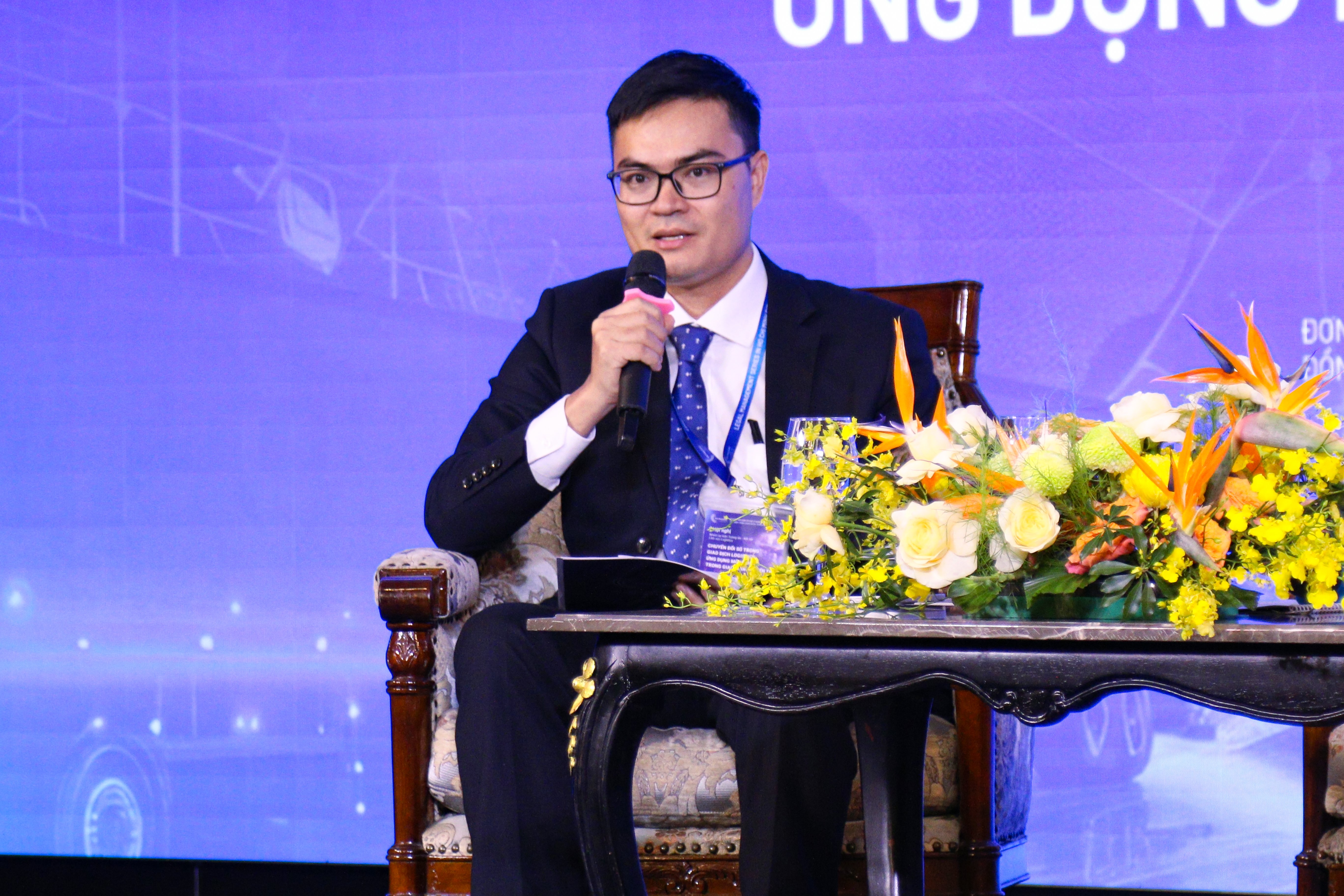
Mr. Truong Cong Hong – Partner at ANHISA Law Firm
Continuing from Ms. Ngan’s presentation, Mr. Truong Cong Hong analyzed numerous practical cases involving electronic applications in logistics transactions and the legal ramifications of the hybrid model. Mr. Hong cited several case scenarios and examined the risks inherent in relying on scanned documents. A prime scenario involved a cargo owner transmitting a scanned copy of a bill of lading to the buyer prior to payment completion. This created a critical vulnerability, as the scanned copy could be readily duplicated, altered, and exploited to forge documents, ultimately causing cargo to be released while the cargo owner had yet to receive payment.
From these practical cases, the expert noted that intertwining physical paper documents with digital data can introduce structural fractures into transactions. Consequently, the adoption of a hybrid model must be deliberately structured alongside an explicit order of document precedence, verification mechanisms, and access delegation controls to prevent emerging disputes over document authenticity, the right of control, and party liability.

Other photos
Throughout each panel session, the speakers actively engaged in dynamic discussions and shared practical experiences with attending delegates. The Conference documented numerous inquiries, practical scenarios, and operational bottlenecks raised by enterprises regarding technology adoption in logistics transactions. On that basis, the panelists provided targeted analyses and actionable recommendations tailored to each category of issues, enabling enterprises to better identify inherent risks, proactively resolve operational hurdles, and build confidence when integrating digital technologies into transactional practices.
_____________________________
Read detail of the Conferences of LMS 2026:
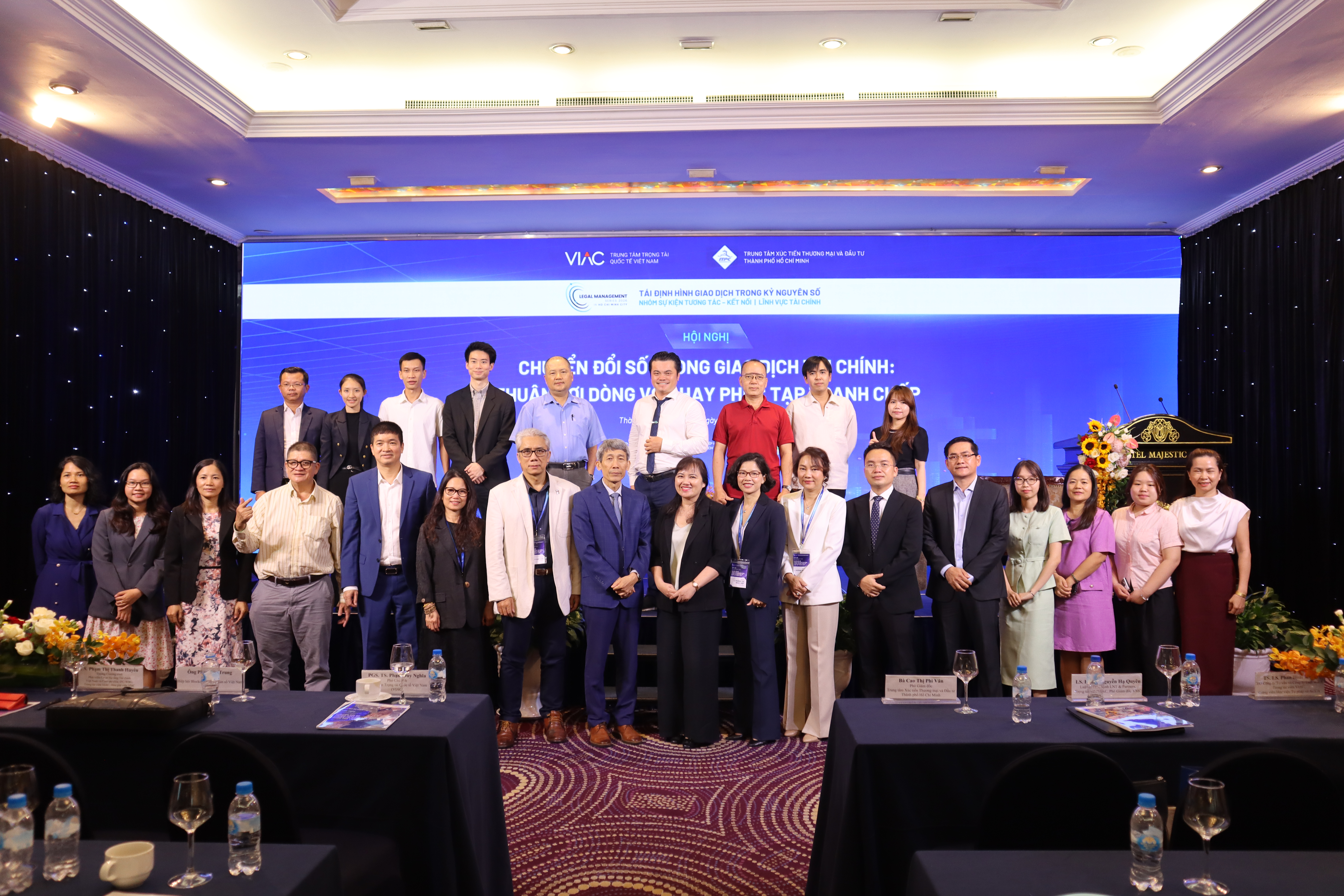 | Finance Sector | Conference: Digital transformation in financial transactions: Facilitation of capital flows or complication of disputes | |
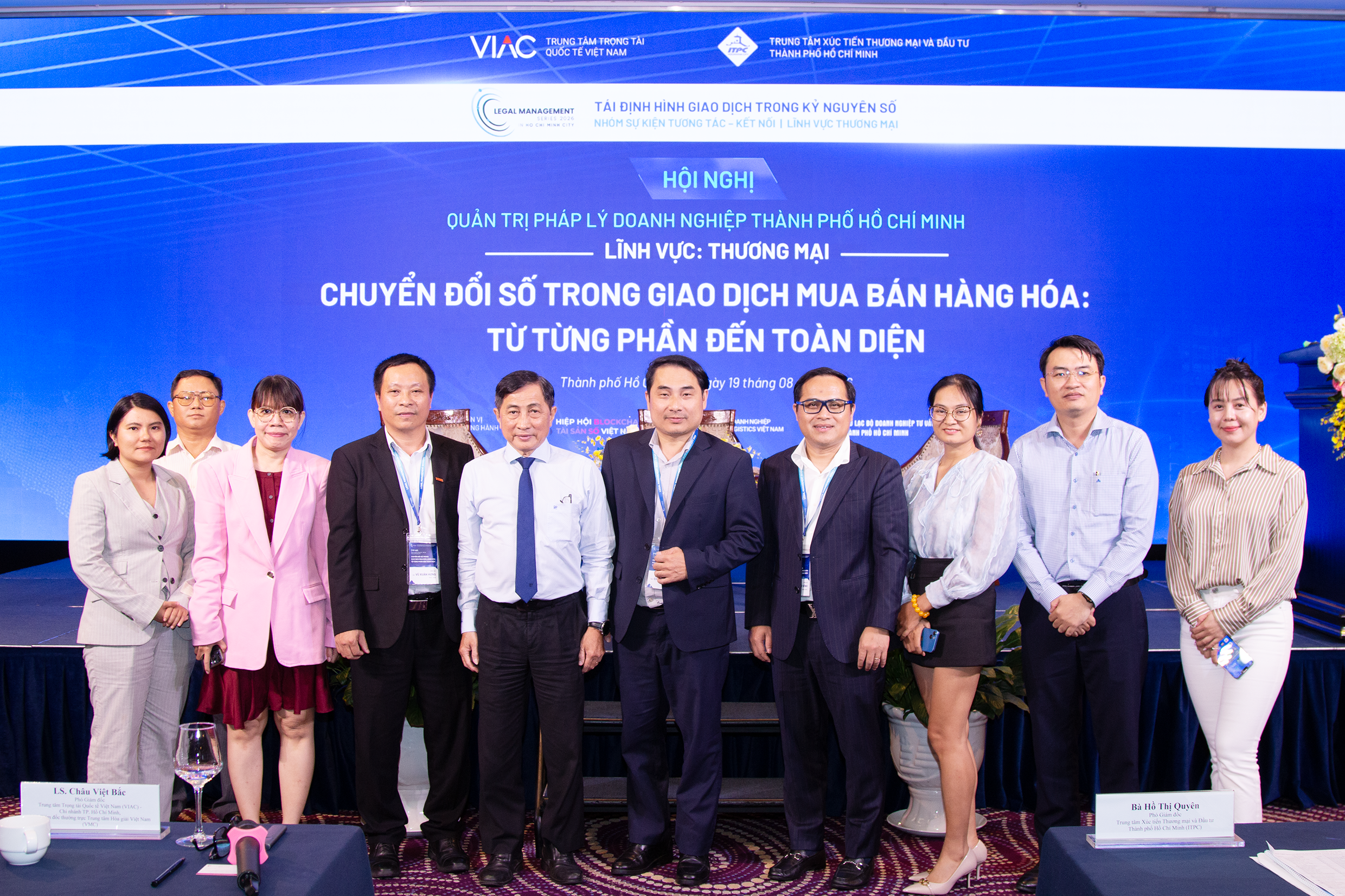 | Commerce Sector | Conference: Digital transformation in sale of goods transactions: From partial to comprehensive |


![[Recap LMS 2026] Business Legal Lens (BLL) #02: “Force majeure: The gap between business understanding and legal approach”](/images/News-and-Events/2026/News/LMS 2026/BLL02/IMG_0136.jpg)
![[Recap LMS 2026] VIAC & ITPC co-organized the Business Legal Lens (BLL) #01: “Conditions precedent in loan agreements: Understanding correctly to prevent risks”](/images/News-and-Events/2026/News/LMS 2026/BLL 01/IMG_8873.jpg)
![[Recap LMS 2026] Talkshow “Exemption from liability for technology-related risks in logistics transactions”](/images/News-and-Events/2026/News/LMS 2026/Logistics/LMS2026_2708---Slideshow-1.jpg)
![[Recap LMS 2026] Talkshow “Commercial contracts with counterpart clauses – Streamlining contract formation or increasing legal risks?"”](/images/News-and-Events/2026/News/LMS 2026/Thuong mai/LMS2026_2008_Speakers.png)
![[Recap LMS 2026] Talkshow “Arbitral jurisdiction in resolving disputes arising from digital financial transactions"](/images/News-and-Events/2026/News/LMS 2026/Tai chinh/LMS2026_260813__Backdrop.png)



.png "Trường đại học ngoại thương")